Summer Plant Care Tips in India: Complete Guide to Protect Plants from Heat
Summer Plant Care Guide 2026| Essential Tips for a Thriving Garden
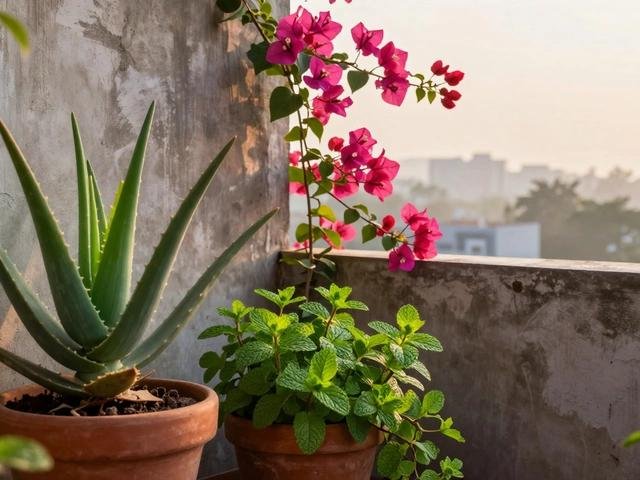
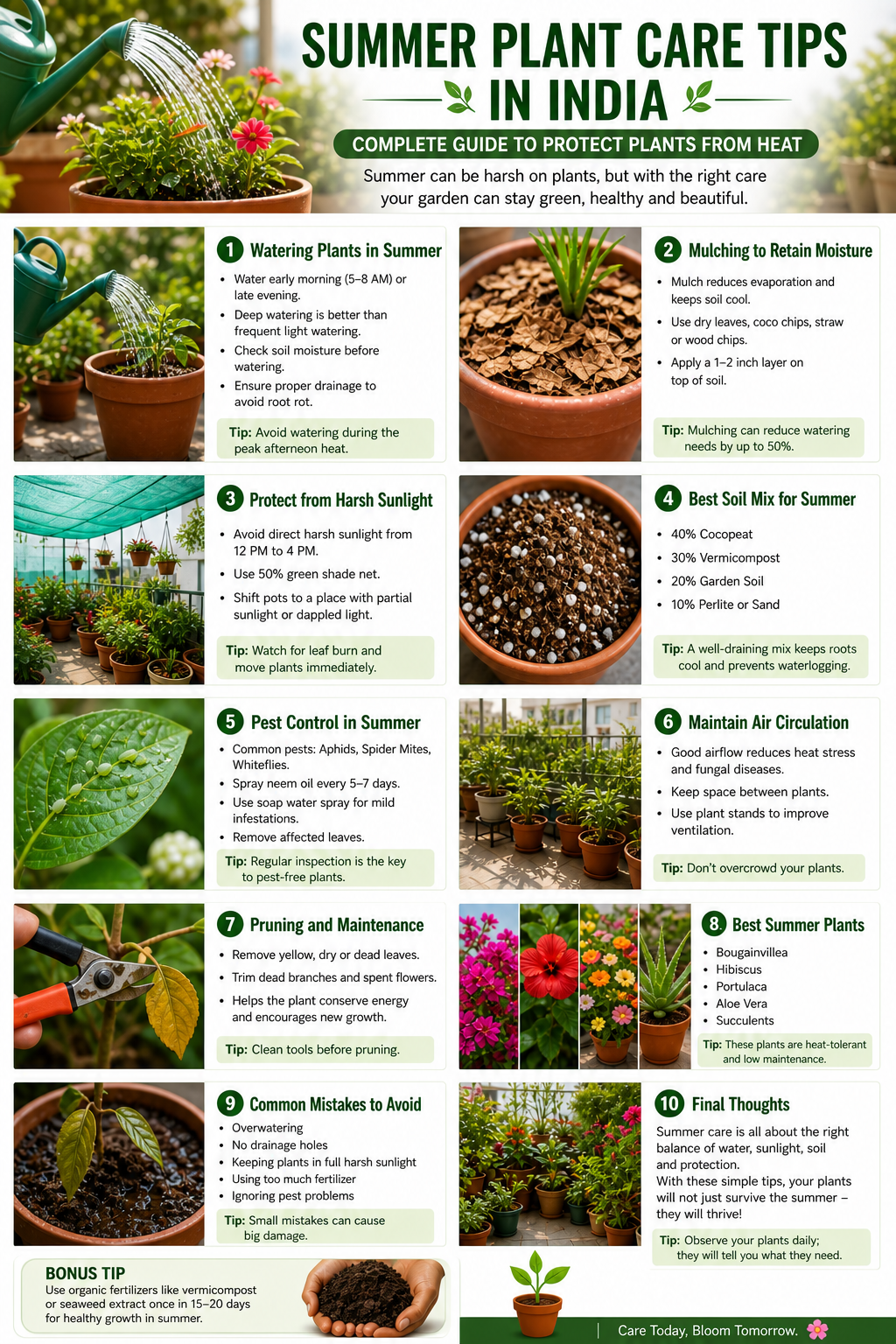
Summer plant care tips in India are essential to protect plants from extreme heat. Summer in India can be extremely harsh on plants. High temperatures, strong sunlight, and dry winds can damage leaves and roots. With the right summer plant care tips, you can keep your plants healthy and thriving. Here are the few things every gardener must get right.
💧Watering Smart
Timing saves more than quantity
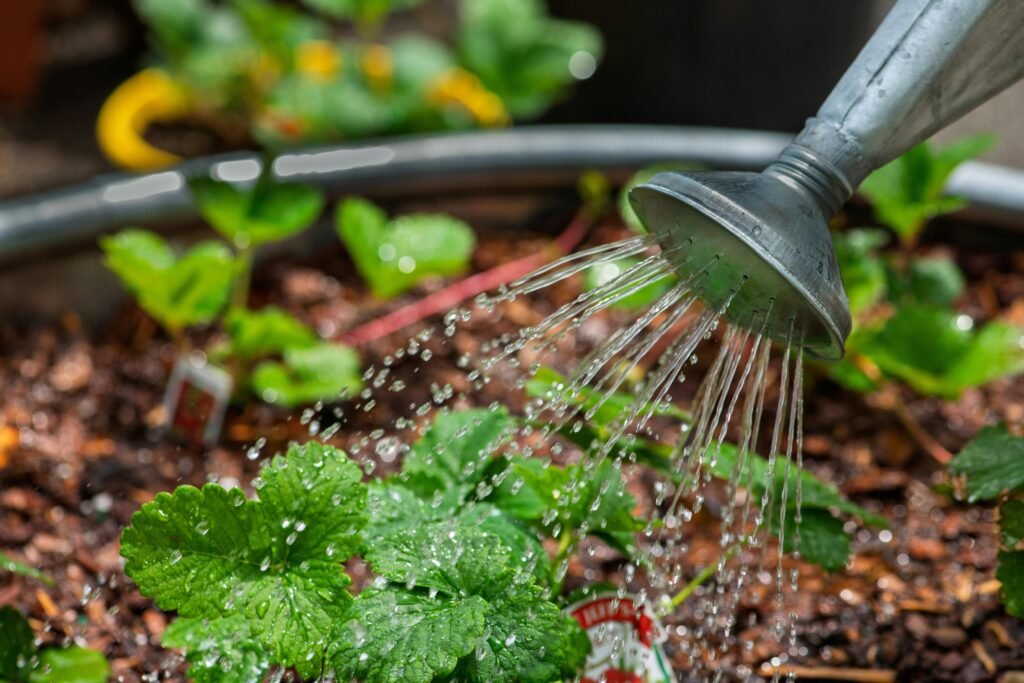
Watering is the most important part of plant care in summer.
Water early morning (5–8 AM)
Deep water 2–3× per week over shallow watering daily
Ensure pots have drainage holes
Group pots together to reduce moisture loss
Use drip irrigation or soaker hoses
Quick Test: Stick a finger 5 cm into soil. Water only if it feels dry. Overwatering kills more summer plants than drought.
🌿Mulching to Retain Moisture in Summer
The #1 underused summer tool
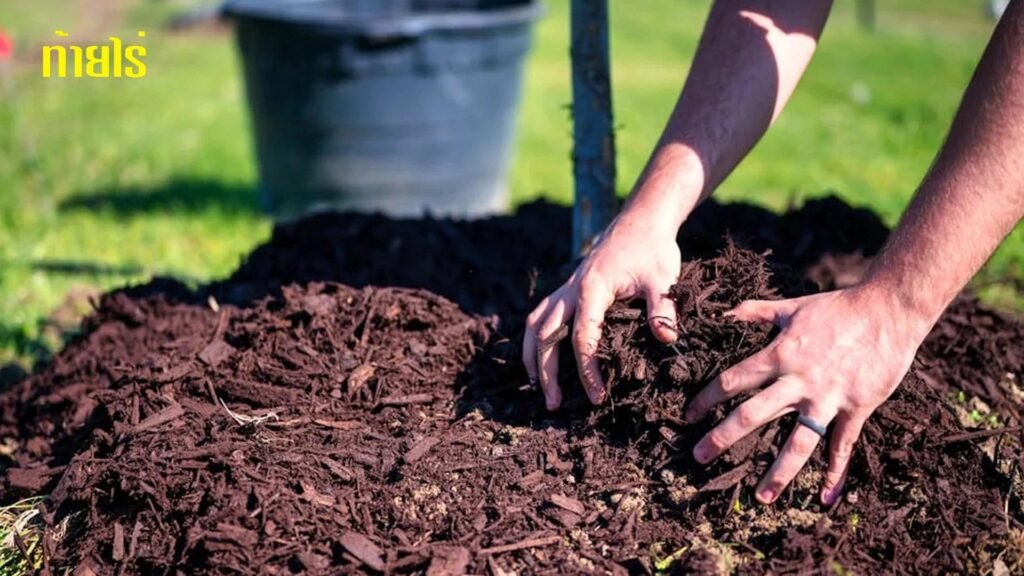
Mulching is one of the best summer gardening tips.
Use straw, wood chips, coconut coir, dry leaves
Apply a 1–2 inch layer on soil
Helps retain moisture and keep roots 8–15°C cooler
For pots: use pebbles or moss as a surface cover
Refresh mulch mid-summer as it breaks down
Common Mistake : Never pile mulch against the stem — it causes rot. Keep a 5 cm gap between mulch and the base of every plant.
🌤Shade & Heat Stress
Even sun-lovers have limits
Above 38–40°C, most plants show heat stress: wilting, leaf curl, blossom drop, bleached colour. Wilting in the morning (not just midday) is a serious red flag.
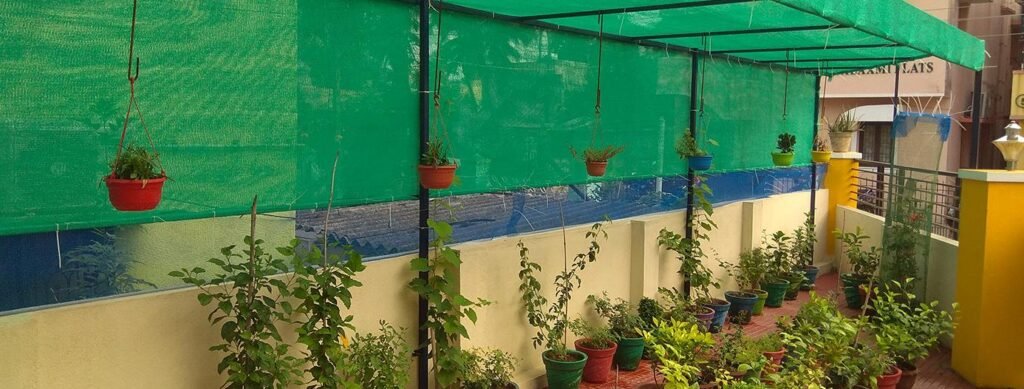
Use 30–50% shade cloth over beds between 11 AM–4 PM
Move pots to east-facing spots during heatwaves
Light-coloured pots absorb less heat than dark ones
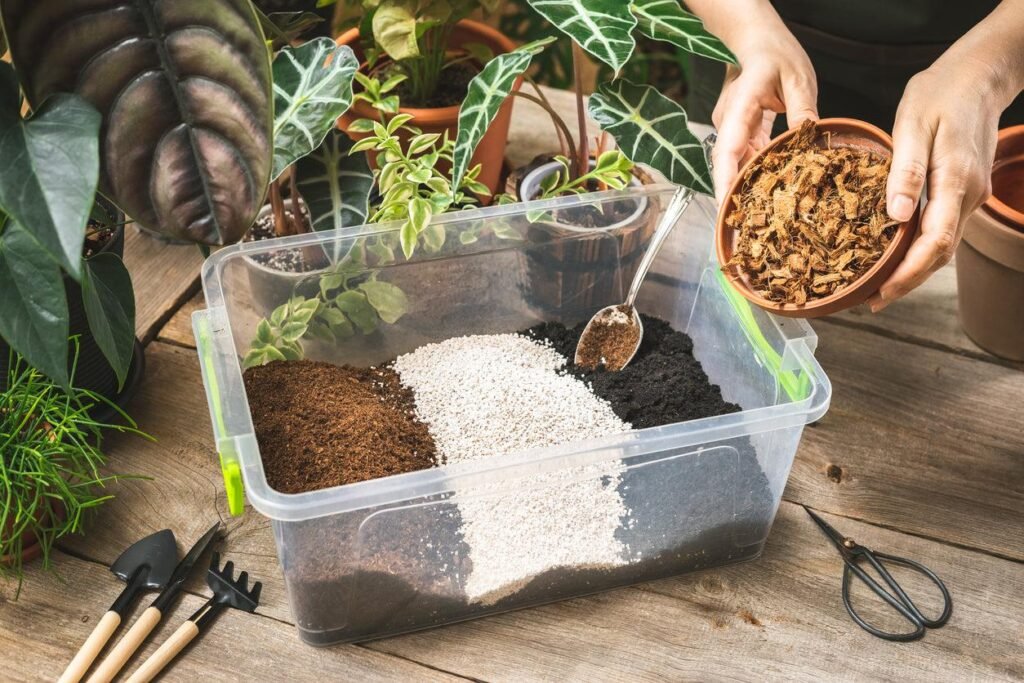
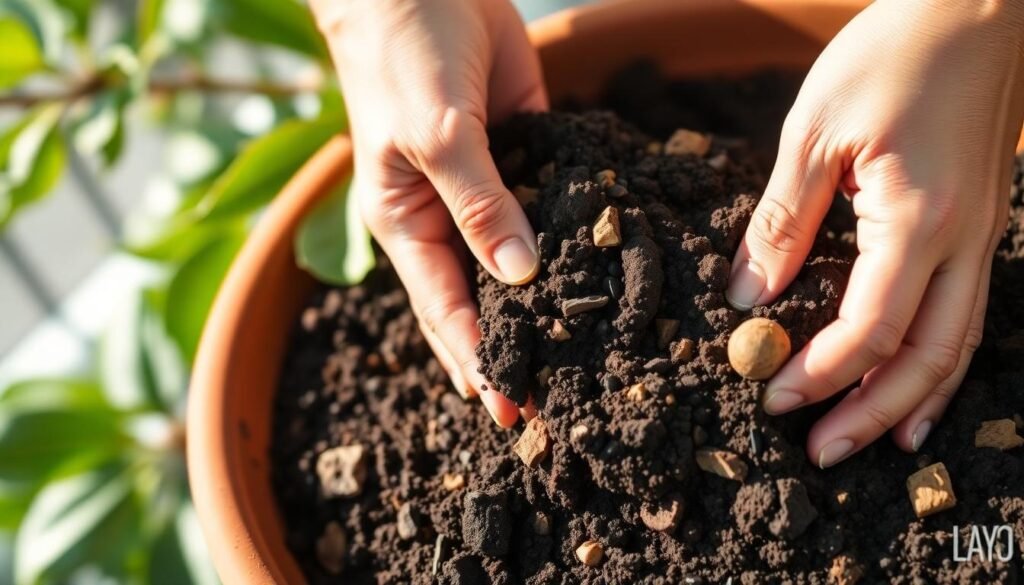
🪴Best Soil Mix for Summer Plants
It improves drainage and keep roots cool.
A good soil mix is essential for healthy plants in summer.
Slow-release granules applied in spring — no summer hassle
Safe Alternatives: Use diluted liquid seaweed, fish emulsion, or compost tea. These are gentle, fast-absorbing, and won’t burn stressed roots. Always fertilize on moist soil, never dry.
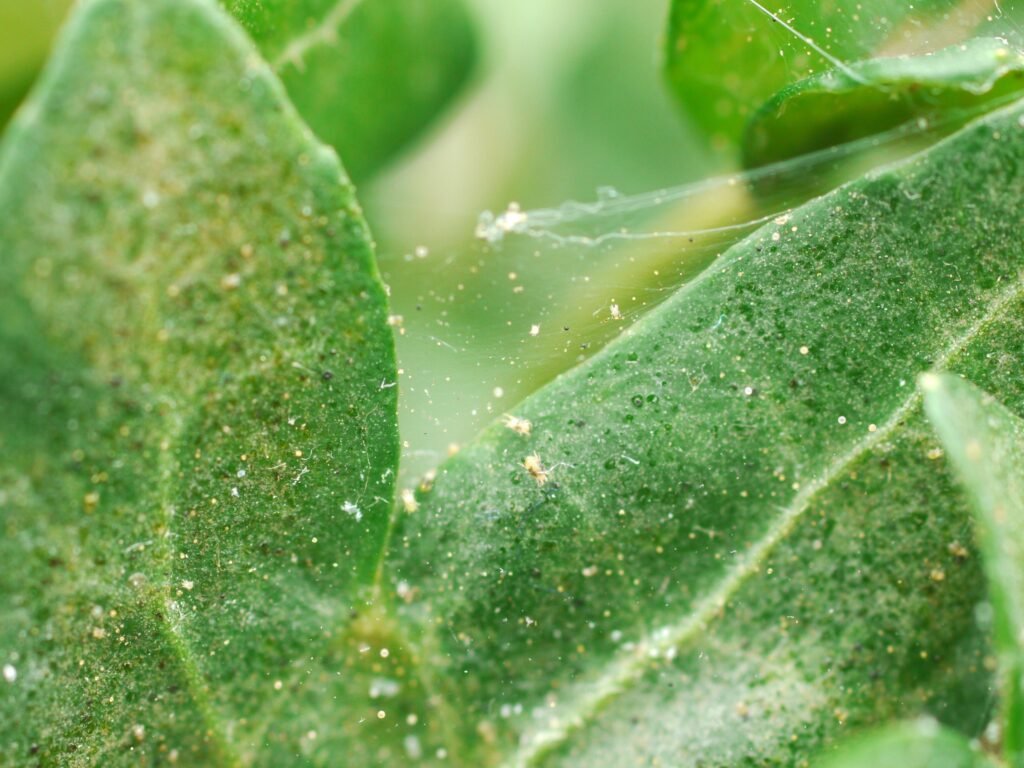
Warm temperatures speed up aphid, spider mite, and whitefly reproduction dramatically. Inspect leaf undersides twice a week — early detection is everything.
Use neem oil spray every 5–7 days
Watch for aphids, mites, whiteflies
Remove affected leaves
Avoid wetting foliage at night — invites fungal disease
DIY Spray: 5ml neem oil + 2ml dish soap in 1 litre water. Spray evenings on affected plants. Effective against most common summer pests. Repeat every 7–10 days.
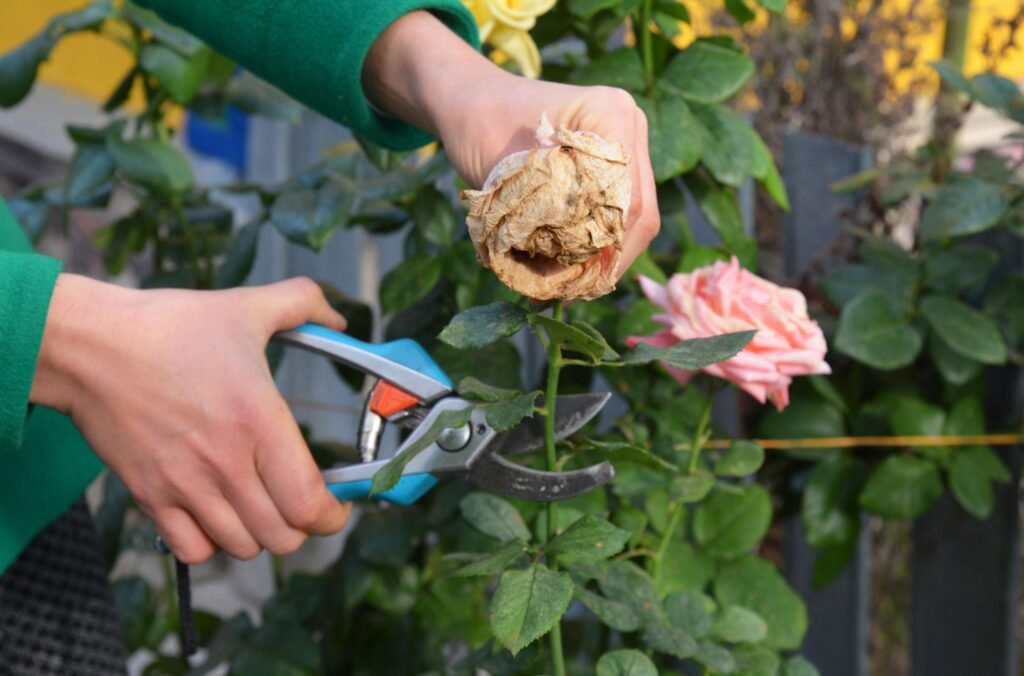
Summer pruning isn’t about shaping — it’s about removing dead, diseased growth and redirecting energy. Deadhead spent flowers to keep plants blooming longer.
Prune only in early morning when plants are hydrated
Remove yellow or dry leaves
Trim dead branches
Helps plants save energy
Never remove more than 25% of the plant at once
🌿 Best Heat-Tolerant Plants in India
Some plants thrive in summer:
Bougainvillea
Hibiscus
Marigold
adenium (desert rose)
Portulaca
Aloe vera
Succulents
Okra (bhindi)
Gourds
Curry leaf.
Summer Care for Indoor Plants
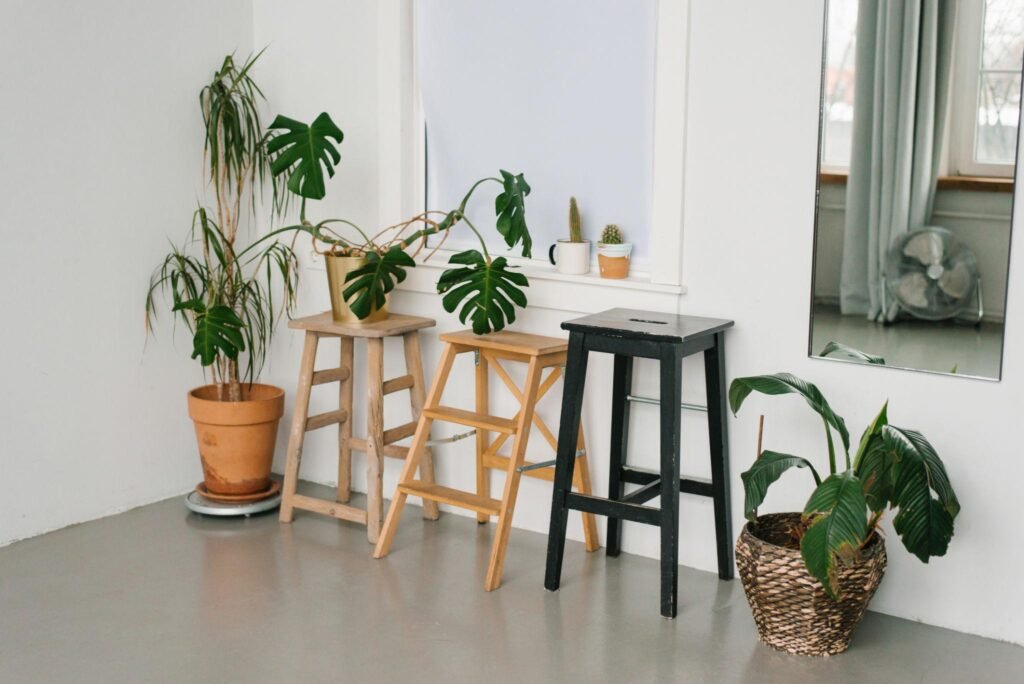
Indoor plants face their own summer challenges: air conditioning creates dry air that dehydrates foliage, while south and west-facing windows can expose plants to intense direct sun they’re not built to handle.
Move plants away from air conditioning vents — cold, dry air causes brown leaf tips
Increase humidity by grouping plants together or using a pebble tray with water
Filter intense window light with sheer curtains for shade-loving species
Increase watering slightly — terracotta pots and air conditioning dry out soil faster
Mist humidity-loving tropicals (ferns, calatheas) in the morning, not evening
A sheer curtain reduces direct sunlight intensity by 30–50%, creating ideal bright-indirect light for most indoor plants.
Keep your plants away from summer stress. Shop with OC Farms Now.
Summer plant care is not about doing more—it’s about doing the right things at the right time. In Indian conditions, where heat can quickly stress plants, simple practices like proper watering, mulching, and protecting plants from harsh sunlight can make a big difference.
Regular observation is key. If you notice drooping leaves, discoloration, or slow growth, it’s a sign your plants need adjustments in water, light, or soil. With consistent care, even extreme summer conditions can be managed effectively.
Focus on balance—right watering, proper soil, and controlled sunlight—and your plants will not just survive but thrive throughout the summer season. 🌱
Frequently Asked Questions(FAQ)
How often should I water plants in summer?
Most garden plants need watering every 1–2 days during peak summer. Container plants may need daily watering. Always check soil moisture first — stick a finger 2–3 inches in. If dry, water deeply until it drains from the bottom.
Why are my plant leaves turning yellow in summer?
Yellow leaves in summer typically indicate overwatering, nutrient deficiency (especially nitrogen or iron), or heat/sun scorch. Check soil drainage first — if roots are waterlogged, reduce watering and improve drainage before adding fertilizer.
Can I use grey/recycled water for plants in summer?
Yes, with caution. Water from rinsing vegetables or plain cooking water is generally safe. Avoid water containing soap, bleach, or strong detergents. Rotate grey water use with clean water to prevent salt build-up in soil.
Should I repot plants during summer?
Avoid repotting during a heatwave — the combined stress of disturbed roots and high temperatures can be fatal. If repotting is necessary, choose a cool morning, water thoroughly before and after, and keep the plant in shade for 1–2 weeks to recover.
Which plants are best for Indian summers?
Marigold, portulaca, bougainvillea, adenium (desert rose), hibiscus, cactus, and most succulents perform exceptionally well in Indian summer conditions. For vegetables, try okra (bhindi), gourds, and curry leaf.